Doctor-developed · Women 35+

A High-Protein Diet for Women, Designed for Your Body After 35

After 35, shifting hormones and gradual muscle loss make the old "just eat less" approach harder to stick with. Our doctor-developed meal plan for women puts protein at the center of every meal, so you stay satisfied, protect the muscle that keeps your metabolism going, and lose weight at a steady pace you can keep up.

Since 2009Founded with Dr. Val Manocchio, MD
10,000+Customers served
15g+Protein in most of our meals
object-position: Smiling woman in workout gear with arms crossed, outdoors in a sunny forest
25–30g protein per meal for women 35+
3–8% muscle lost per decade after 30
4.7★ average from 34,355 reviews
Why protein matters more after 35

Your body changes every decade. Your diet should too.

Women naturally lose muscle with age, and the drop in estrogen around menopause speeds it up. Less muscle means a slower metabolism, so the same meals start adding pounds. Protein is the nutrient that pushes back.

  1. Muscle starts to slip

    Adults lose roughly 3–8% of muscle per decade after 30. It's quiet at first, but it lowers the calories you burn at rest.

    Focus: 25–30g protein at every meal
  2. Perimenopause

    Estrogen begins to fluctuate. Many women notice cravings, poorer sleep and weight settling around the middle.

    Focus: a protein-first breakfast to curb cravings
  3. Menopause

    Lower estrogen speeds up muscle and bone loss, and belly fat becomes easier to gain and harder to lose.

    Focus: protein plus strength training
  4. Strength for life

    Keeping muscle now protects balance, mobility and independence. Research supports higher protein for older adults.

    Focus: 1.0–1.2g per kg body weight or more
Protein calculator

How much protein does a woman need to lose weight?

The standard RDA of 0.8g per kg is a minimum to avoid deficiency, not a target for women over 35 who want to lose fat and keep muscle. Slide to your weight to see a research-based range.

87–116gDaily protein goal
~34gPer main meal

General guidance only. If you have kidney disease or a medical condition, ask your doctor before increasing protein.

Minimum vs. what helps weight loss

RDA minimum (0.8g/kg)58g / day
Women 35+ losing weight (1.2g/kg)87g / day
Active women, strength training (1.6g/kg)116g / day

Spreading protein evenly, about 25–30g per meal, supports muscle better than loading it all at dinner. Most of our meals and snacks deliver 15g, so two servings or one plus whole food gets you there.

Everyday eating

Build a plate that works as hard as you do

You don't need to count every bite. Use your plate as the guide at each meal, and add the nutrients that matter more as women get older.

  • Vegetables: Fill half your plate with leafy greens, broccoli, peppers, zucchini or salad. They add fiber and volume for very few calories.
  • Protein: Make a quarter of the plate lean protein: fish, chicken, eggs, Greek yogurt, tofu, or one of our 15g protein meals.
  • Smart carbs: Keep the last quarter for fiber-rich carbs like beans, lentils, oats, quinoa or sweet potato, or skip it on lighter days.
  • Drink water with every meal and cook with a little olive oil for healthy fats.

Nutrients women need more of

Calcium

1,000–1,200 mg

Bone loss speeds up after menopause, so women 51+ need more calcium to help keep bones strong.

Find it in: Greek yogurt, milk, cheese, sardines, fortified soy milk, leafy greens

Vitamin D

600–800 IU

Helps your body absorb calcium and supports muscle strength. Many women fall short, especially in winter.

Find it in: Salmon, eggs, fortified milk, safe sunlight

Iron

18 mg (8 mg after 50)

Women lose iron through monthly periods. Low iron can leave you tired and short of breath.

Find it in: Lean beef, chicken, beans, lentils, spinach, fortified cereals

Folate

400 mcg

Supports healthy cells and energy, and is especially important for women who could become pregnant.

Find it in: Leafy greens, asparagus, beans, citrus, fortified grains

Fiber

21–25 g

Keeps you full between meals, supports digestion and helps keep blood sugar steady.

Find it in: Vegetables, berries, beans, oats, chia and flax seeds

Omega-3 fats

1.1 g

Healthy fats that support your heart, which matters more as heart-disease risk rises after menopause.

Find it in: Salmon, trout, walnuts, chia seeds, flaxseed

Daily amounts are the U.S. recommended intakes for adult women from the NIH Office of Dietary Supplements. Needs can differ during pregnancy, nursing or with medical conditions.

Protein ideas

Protein doesn't have to mean red meat

Protein helps women over 35 hold on to muscle, keep their resting metabolism up and support strong bones. Red meat is one source, but it isn't the only one or always the best one. Mixing fish, poultry, dairy, plant proteins and convenient protein meals gives you more nutrients and keeps meals interesting.

22g

Salmon

3 oz cooked

Also gives you omega-3 fats and vitamin D. Aim for fish twice a week.

26g

Chicken breast

3 oz cooked

Lean and versatile. Grill a batch on Sunday for quick lunches all week.

20g

Plain Greek yogurt

7 oz cup

Protein plus calcium in one. Top it with berries for breakfast or a snack.

20g

Firm tofu

½ cup

A plant protein that soaks up any flavor. Calcium-set tofu adds calcium too.

18g

Lentils & beans

1 cup cooked

Plant protein with fiber and iron. Great in soups, salads and chili.

15g

Our protein meals

1 serving

Shakes, soups, bars and breakfasts ready in minutes, for busy days when cooking isn't happening.

Balance the day, not one plate. A balanced diet isn't one meal that covers every food group at once. Spread protein, fiber-rich carbs and healthy fats across breakfast, lunch, dinner and snacks, so every meal does part of the work.

Protein amounts are approximate, based on USDA FoodData Central values for cooked or prepared foods. Our product values come from each product's nutrition panel.

Benefits

6 benefits of a high-protein diet for women

Hover or tap a card to see why it matters.

Protects lean muscle

Lose fat, not the muscle that keeps you strong and toned.

Hover for the science
25–30g

About 25–30g of protein per meal is the amount research links to the strongest muscle-building response in older adults.

Keeps you full longer

Fewer cravings and less snacking between meals.

Hover for the science
#1

Protein is the most filling macronutrient. It raises fullness hormones and helps you eat less without feeling deprived.

Supports metabolism

Your body burns more calories digesting protein.

Hover for the science
20–30%

Roughly 20–30% of protein's calories are used just to digest it, compared with about 5–10% for carbs and 0–3% for fat.

Eases the menopause shift

Helps counter the muscle loss and belly fat that come with lower estrogen.

Hover for the science
35+

Pairing higher protein with strength training is one of the best-supported ways to hold on to muscle through and after menopause.

Supports bone health

Protein works with calcium and vitamin D to support bone.

Hover for the science
Bones

Women lose bone faster after menopause. Adequate protein is linked to better bone density when calcium intake is sufficient.

Steadier energy

Fewer blood-sugar spikes and afternoon crashes.

Hover for the science
Low-sugar

Protein slows digestion, so swapping a sugary breakfast for a 15g+ protein meal can help keep energy and appetite stable.

Sample day

A high-protein day on our meal plan for women

Six protein-packed meals spread across the day: five from our range plus one whole-food dinner. Protein and calories come straight from each product's nutrition panel. Your nutritionist can adjust portions and calories to your goals.

110gProtein for the day
~800Calories for the day
Build my women's meal plan
Real women, real results

Case studies: women who changed their eating

In their own words, from Doctors Weight Loss customers who followed a protein-first plan with help from our free nutritionist.

34,355Customer reviews
4.7 / 5Average rating
10,000+Customers since 2009
Rachael M transformation photo Lost 25+ lbs
★★★★★

"As I approach 50, I knew that I had to change my eating habits and lose my extra weight. Hats off to Doctors Weight Loss for helping me along the way, lose 25 plus pounds. I have gone from a size 10 to a size 4."

Rachael M
Kelly transformation photo Tailored meal plan
★★★★★

"I've finally found the brand that works for me. NutriWise products are tasty and cheap, and they work. The Nutritionist helped me hone in on what calorie intake I should aim for and even helped me tailor a meal plan with specific products to fit my needs."

Kelly
Kathryn M transformation photo Easy to stick with
★★★★★

"I have searched for a diet that works for a long time, I'm so glad I finally found this program! It was so helpful to have someone helping you plan meals and even create my grocery list. It was so easy to integrate this into my busy life and the results have not let me down."

Kathryn M
Jasmine transformation photo Best 30-day diet
★★★★★

"I have used similar products from clinics and these are not only comparable, they taste better and are way cheaper! The Nutritionist service that comes with the program kept me motivated and encouraged the whole time. Best 30 day diet ever."

Jasmine

Individual results vary. Results shown combine our products with a reduced-calorie diet and an active lifestyle.

FAQ

High-protein diet for women: your questions answered

What is the best meal plan for women over 35 who want to lose weight?

A high-protein, portion-controlled meal plan works best for most women over 35. Aim for about 25–30g of protein at each meal, plenty of non-starchy vegetables and low added sugar. This helps you lose fat while protecting the muscle that keeps your metabolism up.

How much protein should a woman eat a day to lose weight?

The RDA is 0.8g per kg of body weight, but research on weight loss and healthy aging supports roughly 1.2–1.6g per kg for women over 35. For a 160 lb woman that's about 87–116g a day, split across meals. Use the calculator above for your number.

Is a high-protein diet good for women in menopause?

Yes, for most healthy women. Falling estrogen speeds up muscle and bone loss, and adequate protein combined with strength training is one of the best-supported ways to slow it. Talk to your doctor first if you have kidney disease.

What does a high-protein day look like on the Doctors Weight Loss women's meal plan?

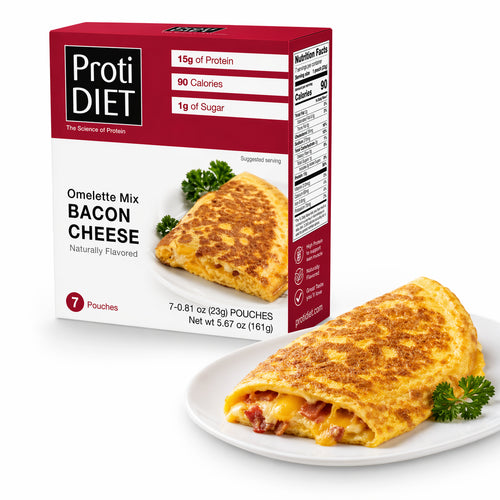
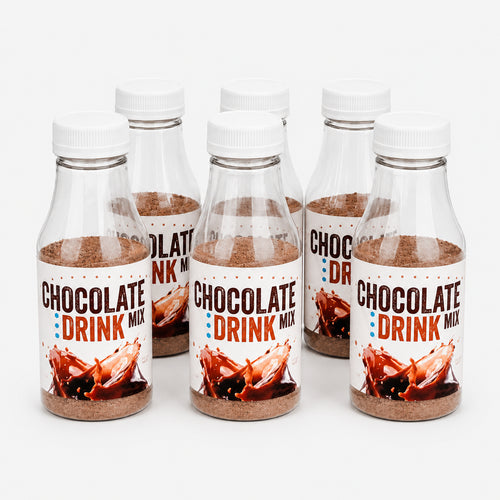
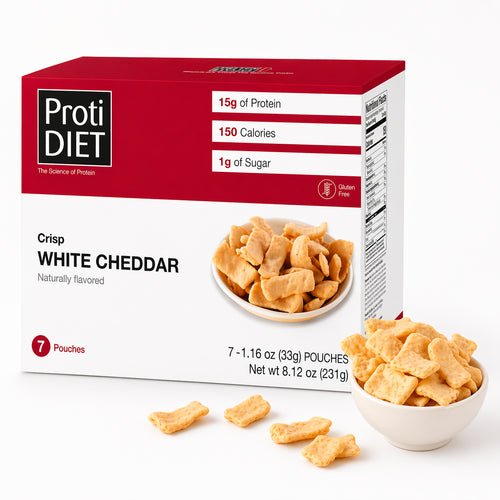
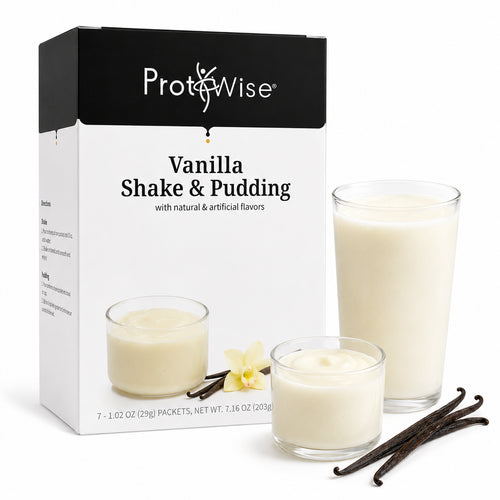
A typical day includes a protein breakfast such as an omelette, a protein drink mid-morning, a protein soup for lunch, protein crisps as a snack, a whole-food dinner of lean protein and vegetables, and a shake or pudding in the evening. That adds up to about 110g of protein.

Can I get help building my meal plan?

Yes. Every Doctors Weight Loss customer can work with our nutritionist for free to set calorie targets and pick products that fit their tastes and goals.

Do women need red meat to get enough protein?

No. Fish, chicken, eggs, Greek yogurt, tofu, beans and lentils are all good sources, and many of them add extra nutrients like omega-3s, calcium or fiber. Lean red meat can still be part of a healthy diet, and it is a good source of iron, but you can meet your protein goal without it.

What does a balanced diet look like for a woman over 35?

It spreads protein, vegetables, fiber-rich carbs and healthy fats across the whole day, instead of trying to fit everything into one big meal. It also puts extra focus on calcium, vitamin D and iron, which women need more of as they get older.

Start today

A meal plan made for women over 35

Portion-controlled, high in protein and low in sugar, with a free nutritionist to shape the plan around your tastes, schedule and goals.

  • 15g+ protein in most meals and snacks
  • Low sugar, portion-controlled servings
  • Free nutritionist support to tailor your plan
  • Shakes, soups, bars, breakfasts and snacks you'll enjoy
Shop the Women's Meal Plan
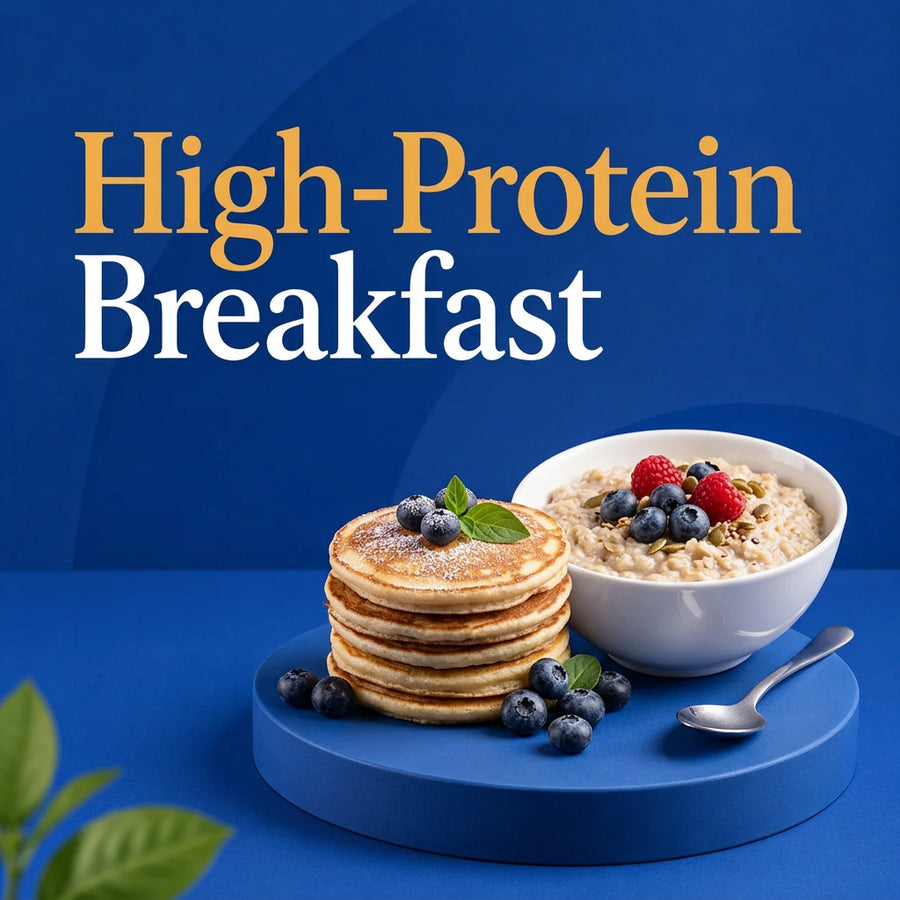
High-protein breakfast from the Doctors Weight Loss women's meal plan

Sources
1. Bauer J, et al. Evidence-based recommendations for optimal dietary protein intake in older people (PROT-AGE Study Group). J Am Med Dir Assoc. 2013.
2. Paddon-Jones D, Rasmussen BB. Dietary protein recommendations and the prevention of sarcopenia. Curr Opin Clin Nutr Metab Care. 2009.
3. Volpi E, Nazemi R, Fujita S. Muscle tissue changes with aging. Curr Opin Clin Nutr Metab Care. 2004.
4. Jäger R, et al. International Society of Sports Nutrition position stand: protein and exercise. J Int Soc Sports Nutr. 2017.
5. Westerterp KR. Diet induced thermogenesis. Nutr Metab. 2004.

This page is for general education and isn't medical advice. Talk to your doctor before starting a new diet, especially if you are pregnant, nursing, take medication or have kidney disease. Individual results vary.