
-
ProtiWise Fluffy Nutter Protein Bars (7Serv)
Regular price $18.99Regular price$21.99Sale price $18.99 -
ProtiWise Fluffy Vanilla Crisp Diet-Friendly Protein Bars (7Serv)
Regular price $18.99Regular price$21.99Sale price $18.99 -
ProtiWise Vanilla Protein Wafers (5ct)
Regular price $18.49Regular price$20.99Sale price $18.49 -
BestMed Meal Replacement High-Protein Bars, Cinnamon (7Serv)
Regular price $19.89Regular price$22.99Sale price $19.89 -
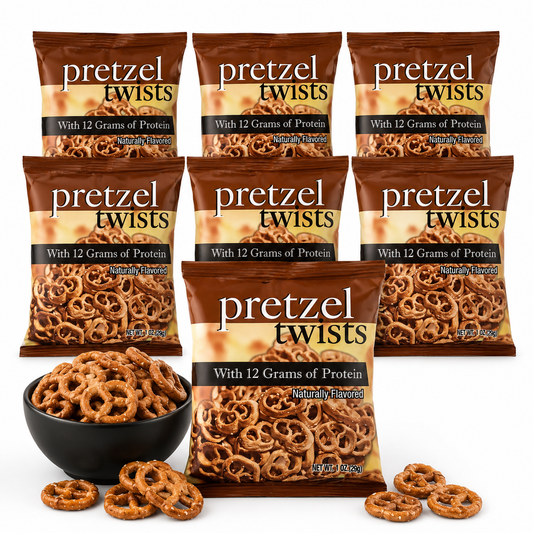
BestMed Protein Pretzel Twists (7ct)
Regular price $21.99Regular price$24.99Sale price $21.99 -
BestMed Meal Replacement High-Protein Bars, Fudge Graham (7Serv)
Regular price $19.89Regular price$22.99Sale price $19.89 -
BestMed Chocolate High-Protein Meal Replacement Shake Pudding & Shake (7ct)
Regular price $16.99Regular price$21.99Sale price $16.99 -
BestMed Double Bites High- Protein Chips, Cheddar Cheese (7ct)
Regular price $21.99Regular price$24.99Sale price $21.99 -
ProtiWise Mocha Protein Wafers (5ct)
Regular price $18.49Regular price$20.99Sale price $18.49 -
ProtiWise Spicy Nacho Cheese Chips | High-Protein & Fiber Snack (7ct)
Regular price $21.99Regular price$24.99Sale price $21.99 -
ProtiWise Chocolate Coated Soy Protein Snacks (7ct)
Regular price $16.99Regular price$19.99Sale price $16.99 -
ProtiWise Peanut Butter Cup Diet-Friendly Protein Bars (7Serv)
Regular price $18.99Regular price$21.99Sale price $18.99 -
BestMed Meal Replacement Protein Bars, Caramel Cocoa Bar (7Serv)
Regular price $19.89Regular price$22.99Sale price $19.89 -
BestMed Dark Chocolate High-Protein Meal Replacement Shake Pudding & Shake (7ct)
Regular price $16.99Regular price$21.99Sale price $16.99 -
ProtiWise Sea Salt & Vinegar Chips | High-Protein & Fiber (7ct)
Regular price $21.99Regular price$24.99Sale price $21.99 -
BestMed Vanilla High-Protein Meal Replacement Shake Pudding & Shake (7ct)
Regular price $16.99Regular price$21.99Sale price $16.99 -
BestMed Mocha High-Protein Meal Replacement Pudding & Shake (7ct)
Regular price $16.99Regular price$20.99Sale price $16.99 -
BestMed Meal Replacement Protein Bars, Chocolate S'mores (7Serv)
Regular price $19.89Regular price$22.99Sale price $19.89 -
ProtiWise High-Protein Orange Creamsicle Shake or Pudding (7ct)
Regular price $16.99Regular price$19.99Sale price $16.99 -
ProtiWise Chocolate Crisp Protein Bars (7Serv)
Regular price $18.99Regular price$20.99Sale price $18.99 -
ProtiWise Barbecue Chips | High-Protein & Fiber Snack (7ct)
Regular price $21.99Regular price$24.99Sale price $21.99 -
BestMed Chocolate Salted Caramel High-Protein Meal Replacement Shake Pudding & Shake (7ct)
Regular price $16.99Regular price$20.99Sale price $16.99 -
ProtiWise Caramel Nut High-Protein Bars (7Serv)
Regular price $18.99Regular price$21.99Sale price $18.99 -
ProtiWise High-Protein Dark Chocolate Shake or Pudding (7ct)
Regular price $16.99Regular price$19.99Sale price $16.99




Frequently Asked Questions
What are meal replacements and how do they support weight management?
How do meal replacements differ from protein shakes?
When should I use a meal replacement?
Can meal replacements help with hunger control?
Are these meal replacements suitable for medically supervised weight-loss programs?
How many meal replacements should I have each day?
Do meal replacements provide complete nutrition?

Fast Free shipping
On orders over $89

Since 2009
Helping thousands reach their goals

12,000+ Reviews
Verified by real customers

Rewards Program
to earn cashback