
-
BestMed Meal Replacement High-Protein Bars, Cinnamon (7ct)
Regular price $19.49 USDRegular price$20.99 USDSale price $19.49 USD -
NutriWise Protein Soup | Cream of Chicken (7ct)
Regular price $18.79 USDRegular price$19.99 USDSale price $18.79 USD -
BestMed Meal Replacement High-Protein Bars, Fudge Graham (7ct)
Regular price $19.49 USDRegular price$20.99 USDSale price $19.49 USD -
BestMed Chocolate High-Protein Meal Replacement Shake Pudding & Shake (7ct)
Regular price $16.79 USDRegular price$20.99 USDSale price $16.79 USD -
NutriWise Chocolate Protein Shake or Pudding (7ct)
Regular price $18.79 USDRegular price$21.99 USDSale price $18.79 USD -
BestMed Meal Replacement Protein Bars, Caramel Cocoa Bar (7ct)
Regular price $19.49 USDRegular price$20.99 USDSale price $19.49 USD -
BestMed Dark Chocolate High-Protein Meal Replacement Shake Pudding & Shake (7ct)
Regular price $16.79 USDRegular price$20.99 USDSale price $16.79 USD -
BestMed Vanilla High-Protein Meal Replacement Shake Pudding & Shake (7ct)
Regular price $16.79 USDRegular price$20.99 USDSale price $16.79 USD -
BestMed Meal Replacement Protein Bars, Chocolate S'mores (7ct)
Regular price $19.49 USDRegular price$20.99 USDSale price $19.49 USD -
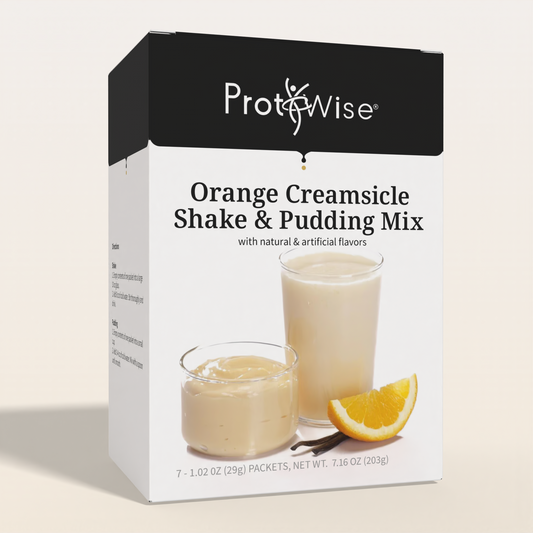
ProtiWise High-Protein Orange Creamsicle Shake or Pudding (7ct)
Regular price $16.89 USDRegular price$19.99 USDSale price $16.89 USD -
NutriWise Vanilla Protein Shake or Pudding (7ct)
Regular price $16.79 USDRegular price$19.99 USDSale price $16.79 USD -
BestMed Chocolate Salted Caramel High-Protein Meal Replacement Shake Pudding & Shake (7ct)
Regular price $16.79 USDRegular price$19.99 USDSale price $16.79 USD -
ProtiWise High-Protein Dark Chocolate Shake or Pudding (7ct)
Regular price $16.89 USDRegular price$19.99 USDSale price $16.89 USD -
BestMed Meal Replacement Protein Bars, Peppermint Cocoa (7ct)
Regular price $19.49 USDRegular price$20.99 USDSale price $19.49 USD -
BestMed Chocolate Hazelnut High-Protein Meal Replacement Shake Pudding & Shake (7ct)
Regular price $16.79 USDRegular price$20.99 USDSale price $16.79 USD -
NutriWise Chocolate Protein Drink (6 bottles)
Regular price $19.99 USDRegular price$21.99 USDSale price $19.99 USD -
BestMed Meal Replacement Protein Bars, Chocolate Almond Protein Bar (7ct)
Regular price $19.49 USDRegular price$20.99 USDSale price $19.49 USD -
NutriWise High-Protein Soup | Cream of Mushroom (7ct)
Regular price $16.79 USDRegular price$19.99 USDSale price $16.79 USD -
BestMed Meal Replacement High-Protein Bars, Peanut (7ct)
Regular price $19.49 USDRegular price$20.99 USDSale price $19.49 USD -
NutriWise Aloha Mango Protein Smoothie (7ct)
Regular price $18.79 USDRegular price$19.99 USDSale price $18.79 USD -
NutriWise Strawberry Banana Protein Smoothie (7ct)
Regular price $16.79 USDRegular price$19.99 USDSale price $16.79 USD -
BestMed Chocolate Mint High-Protein Meal Replacement Shake Pudding & Shake (7ct)
Regular price $16.79 USDRegular price$20.99 USDSale price $16.79 USD -
NutriWise Protein Soup | Cream of Broccoli (7ct)
Regular price $18.79 USDRegular price -
NutriWise Chocolate Peanut Butter Protein Shake or Pudding (7ct)
Regular price $16.79 USDRegular price$19.99 USDSale price $16.79 USD




Frequently Asked Questions
What are healthy lunches and why are they important for weight management?
How can a lunch support weight loss goals?
What should I look for in a weight-loss friendly lunch?
Are lunches in this collection suitable for medically supervised weight-loss plans?
Can lunch alone determine my progress?
How many calories should lunch be for weight loss?
Do balanced lunches help with blood sugar and energy levels?

One-on-One Health coaching tailored to you

Rewards Program to earn cashback on every purchase

Discounts, Ongoing Promotions & Coupons
